-
ਜ਼ਿੰਜ਼ੇਨ ਟਾਊਨ ਇੰਡਸਟਰੀਅਲ ਜ਼ੋਨ, ਵੇਨ'ਆਨ ਕਾਉਂਟੀ, ਲੈਂਗਫਾਂਗ ਸਿਟੀ, ਹੇਬੇਈ ਪ੍ਰਾਂਤ

What Is Tray Cable and Why It Matters in Modern Electrical Projects
ਹਾਲੀਆ ਖ਼ਬਰਾਂ
ਉਤਪਾਦ ਵੇਖੋ
ਸਾਡੇ ਨਾਲ ਸੰਪਰਕ ਕਰੋ
When you are planning an electrical installation—whether in an industrial facility, commercial building, or infrastructure system—you will eventually face one critical decision: what type of cable tray should you use to ensure safety, efficiency, and long-term reliability.
At that point, you may come across the term tray cable, often abbreviated as TC. At first glance, it may look like just another industrial cable type. But in reality, tray cable plays a much more important role in modern electrical systems than most people realize.
If you are working with cable trays or designing wiring systems, understanding what tray cable is—and how it behaves in real environments—can directly influence your project’s performance, cost, and safety over the next 10–20 years.
This guide will help you understand tray cable from the ground up, including its structure, applications, selection criteria, real-world use cases, and common mistakes you should avoid when working with it.
ਵਿਸ਼ਾ - ਸੂਚੀ
Understanding What is Tray Cable?

Tray cable is a multi-conductor electrical cable specifically designed for installation in cable tray systems, raceways, or supported wiring structures.
According to electrical standards such as NEC definitions, tray cable is a factory-assembled cable containing multiple insulated conductors under a protective jacket, intended for use in cable trays or similar support systems.
In simple terms, you can think of tray cable as a flexible wiring solution designed for structured cable management systems.
It is widely used in:
- Industrial automation systems
- Power distribution networks
- Control and instrumentation systems
- Commercial building infrastructure
- Communication and signal systems
Unlike traditional conduit wiring, tray cable is designed to be installed openly in structured trays, allowing easier maintenance and expansion.
How Tray Cable Is Constructed
To understand how tray cable performs in real environments, you need to look at its internal structure.
A typical tray cable consists of:
- Multiple insulated copper conductors
- Individual conductor insulation layers
- Overall protective outer jacket
- Optional shielding layers (for noise-sensitive applications)
Each layer has a specific function:
- Conductors carry electrical current
- Insulation prevents short circuits
- Jacket protects against mechanical damage
- Shielding reduces electromagnetic interference
This layered structure is what allows tray cable to perform reliably in demanding environments such as factories, plants, and infrastructure systems.
Why Tray Cable Is Designed for Cable Tray Systems
Tray cable is not just “used in trays”—it is specifically engineered for them.
Cable tray systems provide open structural support for cables, allowing airflow, easy inspection, and flexible routing.
This combination creates several advantages:
- Better heat dissipation
- Easier cable replacement
- Faster installation
- Lower labor cost
- Simplified system expansion
In many modern projects, tray cable has replaced large sections of conduit wiring because it reduces installation complexity and improves system flexibility.
Types of Tray Cable You Should Know
Not all tray cables are the same. Choosing the right type depends heavily on your application.
Standard Tray Cable (TC)
This is the basic form used in enclosed or supported installations. It is typically used inside cable trays or protected environments.
TC-ER
Designed for limited exposure outside trays, often used where cables need to connect directly to equipment.
Shielded Tray Cable
Used in environments where electromagnetic interference could affect signal accuracy.
Industrial Heavy-Duty Tray Cable
Designed for high-load systems, vibration environments, and long-term industrial use.
Where You Typically Use Tray Cable
Understanding applications helps you decide whether tray cable is the right choice for your project.
Industrial Plants
Tray cable is widely used for machine wiring, motor control systems, and automation equipment.
Commercial Buildings
Used in HVAC systems, lighting control, and power distribution networks.
Data and Communication Systems
Supports low-voltage signal transmission with reduced interference.
Infrastructure Projects
Used in tunnels, transport systems, and energy distribution facilities.
Real-World Case Study: Industrial Automation Upgrade
To understand how tray cable performs in real projects, consider a manufacturing automation upgrade scenario.
A facility was upgrading its production line with new automated machinery. The original wiring system used conduit-based wiring, which created three major problems:
- Difficult maintenance access
- Long installation downtime
- Limited expansion flexibility
After switching to tray cable installed in a structured cable tray system:
- Installation time decreased by approximately 30–40%
- Cable replacement became significantly faster
- System expansion required minimal disruption
The key improvement was not just the cable itself but how tray cable integrated with a structured tray system to simplify the entire electrical layout.
Key Advantages of Tray Cable in Modern Systems
Tray cable offers several technical and operational benefits:
- Improved airflow reduces overheating risk
- Modular installation allows easy system expansion
- Reduced installation labor compared to conduit systems
- Better organization of complex wiring systems
- Higher flexibility in industrial environments
In practice, these advantages translate into lower total lifecycle cost, even if initial material cost is slightly higher.
Tray Cable vs Traditional Wiring Methods
Here is a practical comparison to help you understand where tray cable fits in modern engineering decisions:
| ਵਿਸ਼ੇਸ਼ਤਾ | Tray Cable System | Conduit Wiring |
|---|---|---|
| Installation Speed | Fast | Slower |
| Maintenance Access | ਆਸਾਨ | ਔਖਾ |
| Expansion Flexibility | ਉੱਚ | ਘੱਟ |
| ਗਰਮੀ ਦਾ ਨਿਪਟਾਰਾ | ਚੰਗਾ | Limited |
| Cost Efficiency (Long Term) | ਉੱਚ | ਦਰਮਿਆਨਾ |
This is why tray cable systems are increasingly used in modern industrial design.
Common Mistakes When Using Tray Cable
Even though tray cable is highly efficient, poor planning can reduce its performance.
Mistake 1: Incorrect Load Planning
Not considering future expansion leads to overcrowded trays.
Mistake 2: Ignoring Environmental Conditions
High heat, moisture, or chemicals can affect cable lifespan if not properly accounted for.
Mistake 3: Poor Cable Routing Design
Sharp bends or improper spacing can reduce cable performance over time.
Mistake 4: Mixing Incompatible Cable Types
Different insulation types may behave differently under heat and load.
How to Select the Right Tray Cable
When you are choosing tray cable, focus on these key factors:
- Voltage rating requirements
- Environmental conditions
- Shielding needs
- Load capacity
- Installation environment
- Future expansion requirements
A good rule of thumb: always design for at least 20–30% future capacity.
Industry Insight: Why Tray Cable Systems Keep Growing
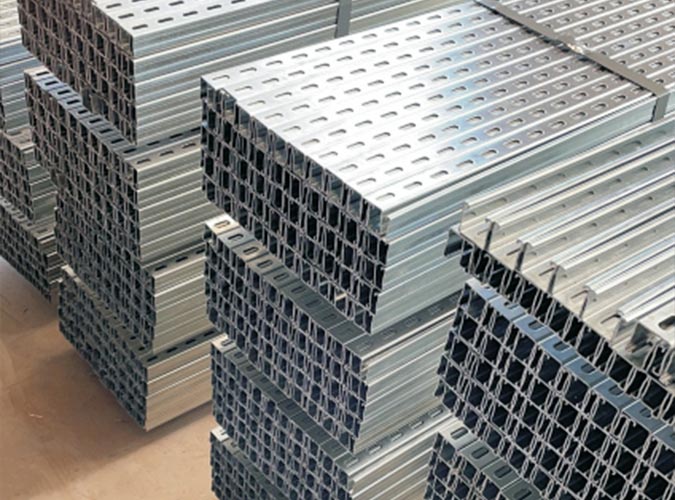
Modern electrical systems are becoming more complex, with increasing demand for:
- ਆਟੋਮੇਸ਼ਨ
- Data transmission
- Energy efficiency
- Flexible infrastructure
A tray cable fits naturally into these trends because it supports both power and communication systems in a scalable structure.
ਸਿੱਟਾ
Understanding what is tray cable, goes far beyond a simple definition. It is about understanding how modern electrical systems are designed for efficiency, safety, and scalability.
When you choose the right tray cable and pair it with a properly designed cable tray system, you are not just installing wiring—you are building a structured electrical infrastructure that can adapt and grow with your project.
If you approach it correctly, a tray cable becomes more than a component. It becomes the foundation of a reliable and future-ready electrical system.
ਅਕਸਰ ਪੁੱਛੇ ਜਾਂਦੇ ਸਵਾਲ
What is tray cable used for?
A tray cable is used for power, control, and signal wiring in industrial and commercial environments.
Can tray cable be used outdoors?
Yes, many tray cables are designed for outdoor and harsh environments.
What makes tray cable different from regular cable?
Tray cable is designed specifically for installation in cable tray systems and supports higher flexibility and durability.
Is the tray cable safe for industrial use?
Yes, it is widely used in industrial environments due to its insulation, shielding, and durability.
How long does tray cable last?
With proper installation, tray cable systems can last 15–25 years depending on conditions.
Do I need a cable tray system to use tray cable?
While not always required, tray cable performs best when installed in a structured cable tray system.
Need Help Choosing the Right Tray Cable Solution?
If you’re unsure which tray cable is best for your industrial or commercial project, our experts are here to help. ਅੱਜ ਹੀ ਸਾਡੇ ਨਾਲ ਸੰਪਰਕ ਕਰੋ for a personalized consultation, and ensure your electrical system is safe, efficient, and built for long-term performance. Don’t wait until wiring issues become costly problems—get in touch now to optimize your cable management system and protect your operations!