-
ਜ਼ਿੰਜ਼ੇਨ ਟਾਊਨ ਇੰਡਸਟਰੀਅਲ ਜ਼ੋਨ, ਵੇਨ'ਆਨ ਕਾਉਂਟੀ, ਲੈਂਗਫਾਂਗ ਸਿਟੀ, ਹੇਬੇਈ ਪ੍ਰਾਂਤ

Custom Wire Cable Trays: How to Choose the Right Manufacturer
ਹਾਲੀਆ ਖ਼ਬਰਾਂ
ਉਤਪਾਦ ਵੇਖੋ
ਸਾਡੇ ਨਾਲ ਸੰਪਰਕ ਕਰੋ
When it comes to managing complex cabling systems in industrial or commercial projects, wire cable trays are one of the most versatile and reliable solutions. They provide organized pathways for electrical wiring, improve ventilation, and reduce maintenance challenges, especially in high-density or high-voltage environments. Choosing the right manufacturer for custom wire cable trays is essential to ensure durability, safety, and compliance with industry standards. In this article, we explore the types of wire cable trays, advantages of custom solutions, material considerations, installation tips, and practical guidance for selecting the right manufacturer.
ਵਿਸ਼ਾ - ਸੂਚੀ
Introduction
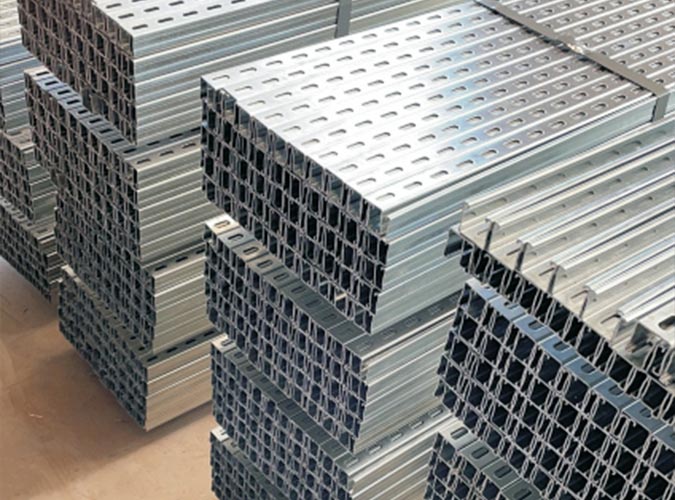
Wire cable trays are structural systems designed to support insulated electrical cables, offering an open path for cable routing rather than enclosing them like traditional conduits. This open design allows for easier installation, inspection, and future modifications. According to the Electrical Infrastructure Industry Report 2023, projects that utilize organized cable trays see up to a 25% reduction in maintenance time and operational downtime compared to unstructured cable routing systems.
The primary benefits of wire cable trays include cable organization, enhanced airflow for heat dissipation, easy access for inspections, and improved safety. They are widely used in industrial plants, data centers, commercial buildings, and manufacturing facilities.
Types of Wire Cable Trays
Wire cable trays come in various designs to meet different project requirements. The choice depends on the load, environment, and specific application needs.
Ladder Wire Cable Trays
Ladder wire cable trays have two longitudinal side rails connected by rungs, resembling a ladder. This design supports heavy-duty cables and provides excellent ventilation, making them ideal for high-current power cables and industrial environments.
Perforated Wire Cable Trays
Perforated trays feature a solid base with evenly spaced holes. They are suitable for medium-weight cable installations, providing both cable support and adequate airflow. Perforated trays are commonly used in commercial and light industrial projects.
Solid Bottom Wire Cable Trays
Solid bottom trays offer a continuous base without openings. This design protects sensitive cables from dust, debris, and potential mechanical damage. While they provide less ventilation than ladder trays, they are perfect for applications where cable safety and protection are a priority.
Advantages of Custom Wire Cable Trays
Custom wire cable trays allow you to tailor dimensions, materials, and design features to match the specific requirements of your project. Key advantages include:
- Tailored sizing for specific cable bundles and project layouts.
- Choice of materials such as galvanized steel, stainless steel, or powder-coated steel for enhanced durability.
- Increased load capacity to support heavy or high-voltage cables.
- Compliance with industrial standards for safety and performance.
- Easier installation and future scalability due to modular design.
Custom solutions also help minimize downtime and reduce maintenance costs. Research from Industrial Wiring Systems shows that projects using custom trays have a 15% longer operational lifespan compared to standard, off-the-shelf trays.
How to Evaluate Wire Cable Tray Manufacturers
Choosing the right manufacturer is crucial when investing in custom wire cable trays. Consider these factors:
Industry Experience and Expertise
Look for manufacturers with a proven track record in industrial and commercial projects. Experienced suppliers understand the challenges of high-density installations and can provide practical design recommendations.
Product Quality and Certifications
Ensure that the manufacturer provides high-quality trays certified to industry standards. Certifications such as ISO, UL, and CE (where applicable) indicate adherence to safety, quality, and reliability requirements.
Manufacturing Capabilities
Check whether the manufacturer can provide customization in tray width, rung spacing, perforation patterns, and protective coatings. Advanced manufacturing capabilities indicate flexibility for complex projects.
Customer Support and After-Sales Service
Reliable manufacturers offer technical assistance during installation and maintenance. They may provide installation guides, troubleshooting advice, and warranty coverage, which can save time and prevent costly mistakes.
Material Considerations for Wire Cable Trays
Material choice directly affects performance, durability, and cost. Common materials include:
- ਗੈਲਵੇਨਾਈਜ਼ਡ ਸਟੀਲ: Provides strong corrosion resistance, suitable for humid or mildly corrosive environments.
- ਸਟੇਨਲੇਸ ਸਟੀਲ: Offers superior corrosion resistance, ideal for harsh or industrial environments with chemical exposure.
- Powder-Coated Steel: Enhances aesthetics and corrosion resistance for environments that require a clean finish.
Each material has trade-offs in load capacity, cost, and suitability for different environments. Selecting the right material is crucial for long-term performance.
Installation and Maintenance Considerations

Proper installation and maintenance maximize the lifespan and efficiency of wire cable trays.
Proper Support and Bracket Placement
Brackets should be spaced according to manufacturer specifications to prevent sagging and ensure even load distribution.
Handling Transitions and Elbows
Use tees, elbows, and transition fittings to create smooth cable pathways and minimize cable strain.
Safety Precautions During Installation
Follow all safety codes, use protective gear, and ensure proper grounding to prevent electrical hazards.
Maintenance Tips to Extend Tray Lifespan
Regularly inspect trays for corrosion, loosened fasteners, or physical damage. Clear debris from perforations to maintain airflow and prevent overheating. Recheck cable placement to avoid overcrowding.
Cost Factors and ROI
Although custom wire cable trays may have a higher upfront cost, their long-term benefits often outweigh the initial investment. Benefits include:
- Reduced downtime due to easier inspection and maintenance
- Longer cable lifespan thanks to better airflow and support
- Lower labor costs for future expansion or modifications
- Compliance with safety and industrial standards
| Cost Factor | Standard Trays | Custom Wire Cable Trays | ਨੋਟਸ |
|---|---|---|---|
| ਸ਼ੁਰੂਆਤੀ ਲਾਗਤ | ਘੱਟ | Moderate to High | Customization increases upfront cost |
| Maintenance | ਦਰਮਿਆਨਾ | ਘੱਟ | Easier access reduces downtime |
| Lifespan | 10–15 years | 20–25 years | Tailored materials and load support |
| Scalability | Limited | ਉੱਚ | Modular design supports future expansion |
| Safety | Basic | Enhanced | Compliance with industrial codes |
This table highlights why investing in custom wire cable trays can provide superior long-term value for industrial projects.
ਸਿੱਟਾ
Custom wire cable trays offer unmatched flexibility, durability, and efficiency for industrial and commercial wiring projects. By carefully evaluating manufacturers based on experience, product quality, customization capabilities, and customer support, you can ensure a safe, reliable, and long-lasting cabling system.
To maximize ROI, consider material selection, proper installation, and routine maintenance. Consulting experts during the design and procurement process can save time, reduce risks, and provide a cabling solution that meets both current and future project needs. Investing in high-quality custom wire cable trays is not just a choice for organization—it is a long-term strategy for operational efficiency, safety, and project success.
ਅਕਸਰ ਪੁੱਛੇ ਜਾਂਦੇ ਸਵਾਲ
How do I calculate the required tray size and load?
Load calculations depend on tray width, cable type, and span length. Manufacturers provide load charts and guidelines for accurate planning.
Can manufacturers provide custom perforations or bends?
Yes, most experienced manufacturers can provide tailored perforation patterns, bends, and transitions to meet project specifications.
Are fire-rated or corrosion-resistant wire cable trays available?
Yes. Depending on the material selection and coatings, wire cable trays can meet fire safety and corrosion resistance standards.
How long do custom wire cable trays typically last in industrial environments?
With proper installation and maintenance, custom trays can last 20–25 years, outperforming standard off-the-shelf options.
What certifications should I look for when choosing a manufacturer?
ISO, UL, and CE certifications indicate compliance with safety, quality, and industry standards.