-
ਜ਼ਿੰਜ਼ੇਨ ਟਾਊਨ ਇੰਡਸਟਰੀਅਲ ਜ਼ੋਨ, ਵੇਨ'ਆਨ ਕਾਉਂਟੀ, ਲੈਂਗਫਾਂਗ ਸਿਟੀ, ਹੇਬੇਈ ਪ੍ਰਾਂਤ
Cable Tray Support Mistakes That Cost Projects
ਹਾਲੀਆ ਖ਼ਬਰਾਂ
ਉਤਪਾਦ ਵੇਖੋ
ਸਾਡੇ ਨਾਲ ਸੰਪਰਕ ਕਰੋ
When you design a cable management system, you might naturally focus on the tray itself—the material, the type, the load capacity, or the layout. But in real engineering projects, what often determines whether the system succeeds or fails is something far less visible: the cable tray support system.
If you are responsible for electrical infrastructure design or installation, you will eventually realize one simple truth—cable trays do not fail by themselves. They fail because of how they are supported.
In many industrial and commercial projects, improper cable tray support design leads to sagging trays, cable stress, misalignment, and even system downtime. These problems rarely appear immediately. Instead, they develop gradually over months or years.
This article will help you understand how cable tray support systems really work, how to design them correctly, and how to avoid expensive mistakes that many projects only discover too late.
ਵਿਸ਼ਾ - ਸੂਚੀ
Why Cable Tray Support Is the Real Backbone of the System

A cable tray system is not a standalone structure. It is a continuous supported system made of trays, fittings, and support components working together.
According to cable tray engineering guidelines, a tray system is only as strong as its weakest support point.
This means even if you use high-quality trays, poor support design can still cause:
- Tray deflection over long spans
- Uneven cable load distribution
- Joint stress and mechanical failure
- Long-term deformation of the system
In real-world installations, the support system determines whether the cable network remains stable under dynamic load conditions.
What a Cable Tray Support System Actually Includes
Many people assume cable tray support is just “brackets on the wall.” In reality, it is a complete engineered system.
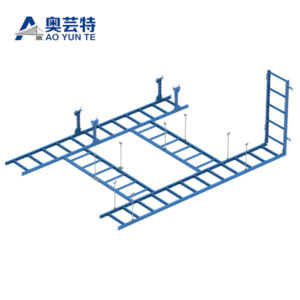
A proper cable tray support system includes:
- Hanging supports (rods, hangers)
- Wall-mounted brackets
- Floor stands or frames
- Splice support connections
- Load distribution hardware
- Anchoring systems
These components work together to maintain:
- Structural stability
- Load balance
- Alignment across long distances
- Vibration resistance
A well-designed system behaves like a structural bridge supporting continuous cable traffic.
Why Support Spacing Matters More Than You Think
One of the most critical design factors is support spacing.
If supports are too far apart, the tray begins to sag under cable weight. If supports are too close, installation becomes unnecessarily expensive and complex.
Engineering Insight
In typical industrial installations:
- Light-duty systems may use wider spacing
- Heavy-duty cable systems require closer support intervals
- Long spans require reinforced tray sections
Poor spacing decisions often lead to uneven load stress, especially in long horizontal runs.
Common Mistake #1: Treating Support as a Secondary Detail
Many project designs focus heavily on tray selection and ignore support planning until installation begins.
This is a major mistake.
In real projects, support design should be completed before tray selection, not after.
Real Case Example
In a commercial facility upgrade project:
- Engineers selected high-quality aluminum trays
- But support spacing was underestimated
- After installation, trays began to sag in mid-span sections
Result:
- Additional support structures had to be added
- Installation costs increased by over 25%
- Project timeline was delayed by several weeks
The failure was not the tray—it was the support design.
Common Mistake #2: Ignoring Load Distribution

Cable trays rarely carry uniform loads.
In reality, load distribution depends on:
- Cable density
- Cable type (power vs signal)
- Installation direction
- Equipment connection points
When support systems do not account for uneven loads, stress concentrates in specific sections.
This leads to:
- Local deformation
- Joint fatigue
- Structural imbalance
Common Mistake #3: Weak Anchoring to Building Structure
Cable tray supports must transfer load safely to the building structure.
However, in many installations:
- Anchors are undersized
- Fixing points are poorly selected
- Structural compatibility is ignored
This creates long-term risks, especially in high-vibration environments.
Real Case Study: Industrial Plant Cable Expansion
In an industrial plant expansion project, additional production lines required new cable routing.
The original system had:
- Wall-mounted supports only
- Limited structural reinforcement
- No future expansion planning
Problem
When new trays were added:
- Existing supports could not handle additional load
- Sections of the tray system began shifting slightly
- Maintenance access became difficult
Solution
Engineers redesigned the system using:
- Independent floor-supported frames
- Reinforced suspension systems
- Load-balanced support spacing
Result
- System stability improved significantly
- Future expansion became easier
- Maintenance frequency decreased
This case highlights a key principle: support systems must be designed for future load, not just current demand.
Cable Tray Support System Types
Different environments require different support strategies.
| Support Type | ਸਭ ਤੋਂ ਵਧੀਆ ਵਰਤੋਂ ਵਾਲਾ ਮਾਮਲਾ | Strength Level | Installation Flexibility |
|---|---|---|---|
| Wall Brackets | Small commercial systems | ਦਰਮਿਆਨਾ | ਉੱਚ |
| Ceiling Hangers | Industrial overhead routing | ਉੱਚ | ਦਰਮਿਆਨਾ |
| Floor Supports | Heavy-duty installations | ਬਹੁਤ ਉੱਚਾ | ਘੱਟ |
| Combined Systems | Complex infrastructure | ਬਹੁਤ ਉੱਚਾ | ਉੱਚ |
Choosing the wrong support type is one of the most common causes of system instability.
Environmental Factors That Affect Support Design
Cable tray support systems are not only mechanical—they are environmental structures.
You should always consider:
- Temperature expansion
- Vibration levels
- Moisture exposure
- Corrosive environments
- Wind load (for outdoor systems)
For example, outdoor installations often require stronger anchoring and corrosion-resistant support materials.
Engineering Best Practices for Cable Tray Support Design
To build a reliable system, follow these engineering principles:
1. Design Support Before Tray Layout
Support planning should define the structural skeleton of the system.
2. Maintain Consistent Load Distribution
Avoid uneven cable concentration wherever possible.
3. Allow for Expansion
Always reserve 20–30% extra load capacity.
4. Use Modular Support Systems
Modular designs make maintenance and expansion easier.
5. Align With Structural Building Points
Never force supports onto weak structural areas.
Lifecycle Impact of Proper Support Design

Proper cable tray support design directly impacts:
- System lifespan
- Maintenance frequency
- Installation efficiency
- Operational safety
A well-supported system can last significantly longer with minimal maintenance compared to poorly supported systems.
Final Thoughts
Cable tray systems are often judged by the tray itself, but in real engineering practice, it is the support system that determines long-term success.
If you focus only on tray material and ignore support design, you are building a system that may look correct today—but fail under real operational conditions tomorrow.
A properly designed cable tray support system ensures:
- Structural stability
- Safe load distribution
- Long-term durability
- Easy maintenance and expansion
In short, strong trays need even stronger support thinking.
ਅਕਸਰ ਪੁੱਛੇ ਜਾਂਦੇ ਸਵਾਲ
What is cable tray support used for?
Cable tray support is used to hold and stabilize cable tray systems safely within industrial or commercial installations.
Why is support spacing important?
Incorrect spacing can cause tray sagging, uneven load distribution, and structural failure over time.
What materials are used for cable tray supports?
Common materials include galvanized steel, stainless steel, and aluminum depending on environmental conditions.
Can cable tray supports handle heavy loads?
Yes, if properly designed and installed with correct load calculations and anchoring.
What happens if support design is poor?
It can lead to deformation, cable damage, misalignment, and increased maintenance costs.
Are cable tray supports adjustable?
Many modern systems are modular and allow adjustment for alignment and expansion.